
Regenerative blowers, also known as side channel blowers or ring blowers, play a crucial role in wastewater treatment plants. They provide the necessary airflow for various processes, ensuring the efficient treatment of wastewater. This article explores the applications and benefits of regenerative blowers in wastewater treatment plants. 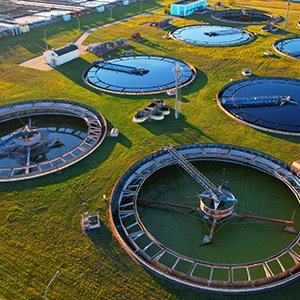
Key Applications of Regenerative Blowers in Wastewater Treatment Plants
- Aeration Tanks
Functionality: In aeration tanks, regenerative blowers supply air to promote the growth of aerobic bacteria, which are essential for breaking down organic matter in the wastewater.
Applications:
- Activated Sludge Process: Air is diffused through the wastewater to maintain adequate dissolved oxygen levels, supporting the biological treatment process.
- Nitrification and Denitrification: Blowers help in maintaining aerobic conditions for nitrification and anoxic conditions for denitrification, crucial steps in nitrogen removal.
- Sludge Drying
Functionality: Regenerative blowers are used to supply air for drying sludge, reducing its volume and weight, making it easier and more cost-effective to handle and dispose of.
Applications:
- Sludge Dewatering: Blowers provide airflow to drying beds or mechanical dryers, accelerating the evaporation of water from sludge.
- Biosolids Treatment: Helps in reducing the moisture content of biosolids, transforming them into more stable and less odorous forms suitable for disposal or use as fertilizers.
- Odor Control
Functionality: In wastewater treatment plants, regenerative blowers are used in odor control systems to capture and treat foul-smelling gases generated during the treatment process.
Applications:
- Ventilation: Blowers provide ventilation in areas where odorous gases are produced, such as sludge handling areas and anaerobic digesters.
- Air Scrubbing: Blowers deliver air to scrubbers or biofilters, where odorous compounds are neutralized or removed.
- Pneumatic Conveying
Functionality: Regenerative blowers are utilized in pneumatic conveying systems to transport dry, lightweight materials, such as powdered chemicals and dry sludge.
Applications:
- Chemical Handling: Blowers help in conveying powdered chemicals used in the treatment process, such as lime, activated carbon, and coagulants.
- Sludge Transport: Used to pneumatically convey dry sludge to storage or disposal areas, reducing manual handling and improving efficiency.
- Filter Backwashing
Functionality: In filtration systems, regenerative blowers provide the air required for backwashing filters, a process that cleans the filter media by reversing the flow of air and water.
Applications:
- Sand Filters: Blowers supply air for backwashing sand filters, removing trapped solids and restoring the filter’s efficiency.
- Membrane Bioreactors (MBRs): Used in backwashing processes to clean membrane surfaces, maintaining high filtration performance and prolonging membrane life.
Benefits of Using Regenerative Blowers in Wastewater Treatment Plants
- Energy Efficiency
Functionality: Regenerative blowers are designed for efficient operation, consuming less energy compared to other types of blowers.
Benefits:
- Lower Operating Costs: Energy-efficient operation reduces electricity consumption, leading to lower operating costs.
- Sustainable Operation: Efficient energy use contributes to the sustainability of wastewater treatment operations.
- Low Maintenance Requirements
Functionality: Regenerative blowers have a simple design with few moving parts, resulting in minimal maintenance needs.
Benefits:
- Reduced Downtime: Low maintenance requirements mean less downtime, ensuring continuous operation of critical treatment processes.
- Cost Savings: Lower maintenance costs due to fewer parts needing regular servicing or replacement.
- Quiet Operation
Functionality: Regenerative blowers operate quietly, producing less noise compared to other types of blowers.
Benefits:
- Improved Work Environment: Quieter operation creates a more pleasant working environment for plant operators.
- Compliance with Noise Regulations: Helps in meeting noise regulations and reducing noise pollution in the surrounding area.
- Reliable Performance
Functionality: Regenerative blowers provide consistent airflow and pressure, ensuring reliable performance in various treatment processes.
Benefits:
- Process Stability: Reliable performance helps maintain stable treatment processes, enhancing the overall efficiency of the plant.
- Durability: Robust construction ensures long-term reliability and durability, even in demanding operating conditions.
- Versatility
Functionality: Regenerative blowers are versatile and can be used in various applications within the wastewater treatment plant.
Benefits:
- Multi-Functional: One type of blower can serve multiple functions, reducing the need for different equipment types.
- Adaptability: Can be easily integrated into existing systems or used in new installations, offering flexibility in plant design and operation.
Conclusion
Regenerative blowers are indispensable in wastewater treatment plants, providing efficient and reliable airflow for aeration, sludge drying, odor control, pneumatic conveying, and filter backwashing. Their energy efficiency, low maintenance requirements, quiet operation, reliable performance, and versatility make them an ideal choice for enhancing the effectiveness and efficiency of wastewater treatment processes. By incorporating regenerative blowers, wastewater treatment plants can achieve better process control, reduce operating costs, and improve overall operational sustainability.