
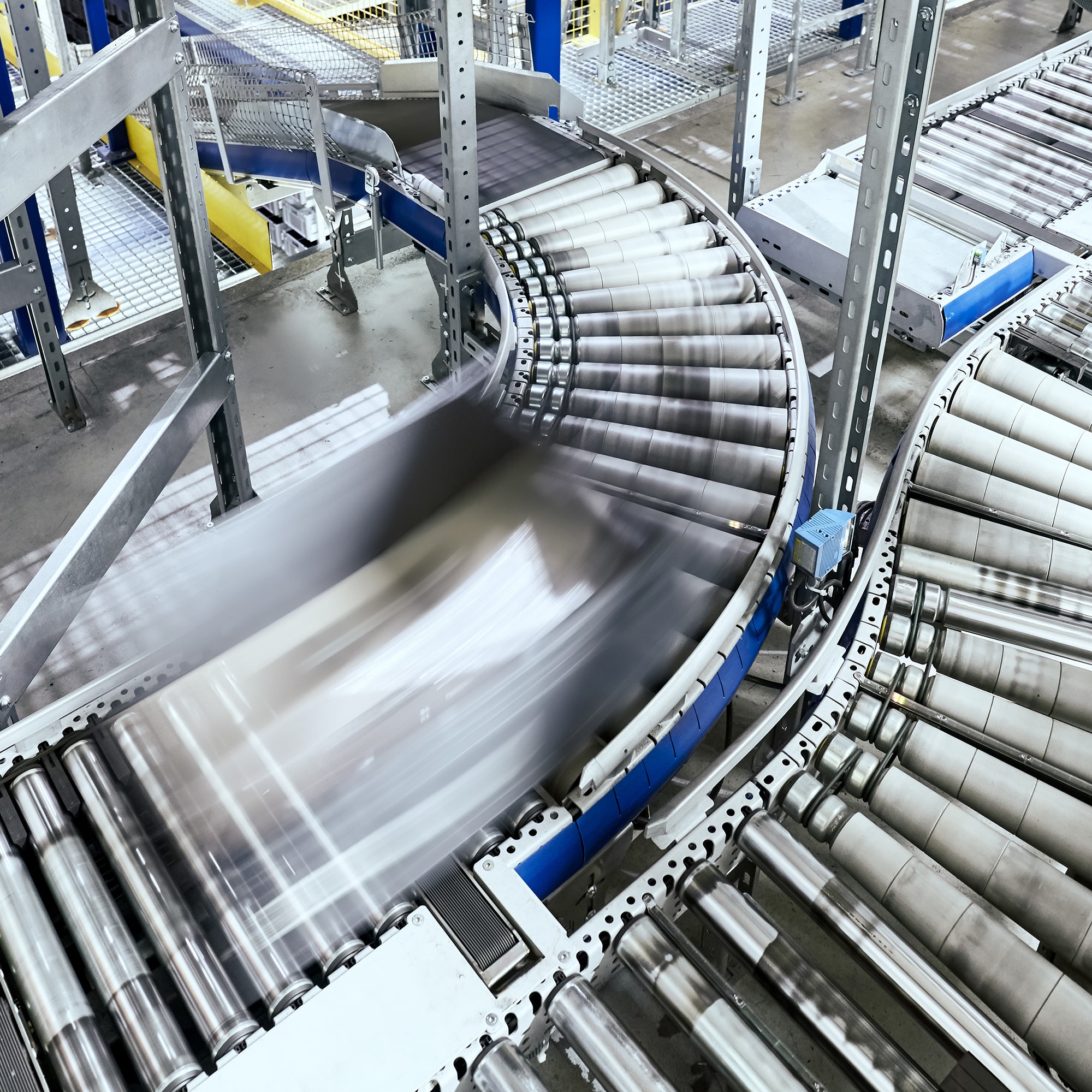
In modern manufacturing environments, downtime can mean significant losses in productivity, quality, and profitability. Human-Machine Interfaces (HMIs) help reduce both unplanned and planned downtime by providing real-time visibility, intelligent diagnostics, and efficient control over equipment and processes.
- Real-Time Monitoring and Status Updates
HMIs provide operators and technicians with:
- Live data on temperature, pressure, speed, cycle times, etc.
- Equipment run status and fault indicators
- System health metrics (e.g., vibration, current draw)
Benefit:
Early detection of abnormal conditions allows for quick corrective action—before breakdowns occur.
- Faster Fault Diagnosis and Recovery
Modern HMIs display:
- Alarm logs with time stamps and error codes
- On-screen troubleshooting guides
- Clear visual alerts for root-cause identification
Benefit:
Reduces mean time to repair (MTTR) by guiding operators directly to the issue without guesswork.
- Preventive and Predictive Maintenance Tools
Many HMIs support:
- Maintenance reminders based on run hours or cycles
- Sensor integration for condition-based alerts
- Data logging to spot performance degradation over time
Benefit:
Helps shift from reactive to proactive maintenance, avoiding unexpected equipment failures.
- Remote Access and Control
Advanced HMIs enable:
- Remote diagnostics via Ethernet, VPN, or cloud
- Off-site adjustment of setpoints, timers, or I/O functions
- SMS/email notifications for alarms or downtime events
Benefit:
Support teams can troubleshoot or restart systems without being on-site, speeding up recovery.
- Quick Changeovers and Recipe Management
For production lines with frequent product changes, HMIs provide:
- Stored recipes for machine settings
- Step-by-step changeover instructions
- Operator prompts to reduce setup errors
Benefit:
Streamlines transitions between batches, reducing planned downtime and scrap rates.
- User Access and Audit Trails
HMIs support role-based access with logs of who changed what and when.
Benefit:
Minimizes downtime caused by unauthorized or accidental parameter changes and supports accountability.
- Integration with SCADA, ERP, and MES
HMIs can interface with higher-level systems for:
- Automated scheduling
- Inventory tracking
- Downtime analytics and reporting
Benefit:
Supports continuous improvement and root-cause analysis of recurring stoppages.
The Result:
By turning machine data into actionable information, HMIs help manufacturing teams:
- Detect and prevent downtime early
- Respond to faults faster
- Standardize operations across shifts
- Improve maintenance planning