
Variable Frequency Drives (VFDs), also known as AC drives, are proven technologies for improving motor control and energy efficiency. But despite their widespread use, several misconceptions still circulate. Let’s separate fact from fiction:
Myth 1: VFDs Are Only for Energy Savings on Fans and Pumps
Reality:
While VFDs do offer major energy savings on variable torque loads like HVAC fans and pumps, they’re also essential for:
- Conveyors and crushers (constant torque)
- Mixers and extruders (high starting torque)
- Precision applications like spindles or hoists
VFDs improve control, reduce mechanical stress, and extend equipment life—far beyond just saving energy.
Myth 2: VFDs Are Too Expensive for Small Applications
Reality:
Modern VFDs are cost-effective even for small motors (<5 HP). The initial investment is often recovered quickly through:
- Energy savings
- Fewer motor starts/stops (lower wear)
- Reduced need for mechanical controls (dampers, valves)
Myth 3: VFDs Damage Motors
Reality:
When properly applied, VFDs protect motors by offering soft starting, controlled ramp-up/ramp-down, and overload protection.
However, issues like:
- Overvoltage spikes (due to long cables)
- Bearing currents
can occur if drives aren’t properly installed. Solutions include:
- dV/dt filters or reactors
- Proper grounding
- VFD-rated motors for long cable runs
Myth 4: You Can’t Use a VFD with a Standard Motor
Reality:
Most standard three-phase induction motors work just fine with VFDs—especially when the application runs within the motor’s rated voltage/frequency.
For long-term performance, use inverter-duty motors in demanding or high-speed applications.
Myth 5: VFDs Are Difficult to Program
Reality:
Today’s VFDs come with:
- Quick-start wizards
- Intuitive keypad interfaces
- PC software and mobile apps
Even first-time users can set up basic functions (run, stop, speed control) in minutes.
Myth 6: VFDs Can’t Be Used for Constant Speed Applications
Reality:
Even in constant speed systems, VFDs offer:
- Soft start/stop (reduces mechanical shock)
- Torque limiting
- Advanced diagnostics and protection
In fact, many users install VFDs just to extend motor and gearbox life.
Myth 7: VFDs Don’t Work in Harsh Environments
Reality:
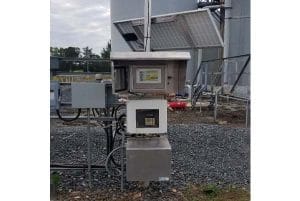
VFDs are available in a range of enclosures (NEMA 1, 12, 4X, IP54, etc.) for:
- Dusty or wet conditions
- Outdoor installations
- Washdown and corrosive environments
Heatsinks and filters make them suitable for many rugged applications.
Bottom Line:
VFDs are powerful, flexible tools for motor control and energy management. When properly applied and installed, they:
- Save energy
- Extend equipment life
- Enhance process control
Don’t let outdated myths keep you from tapping into their full value.