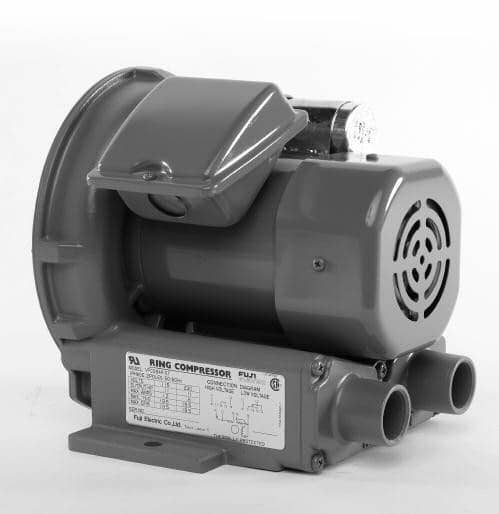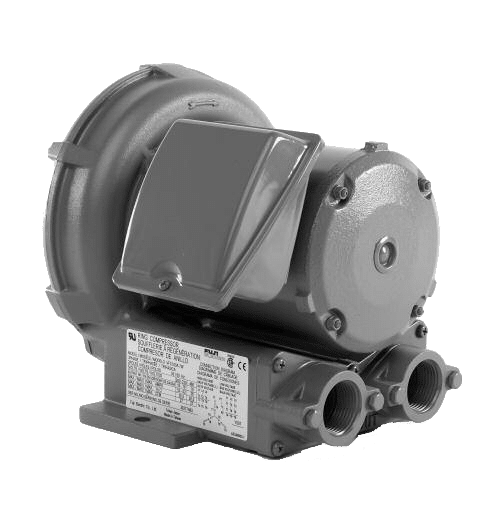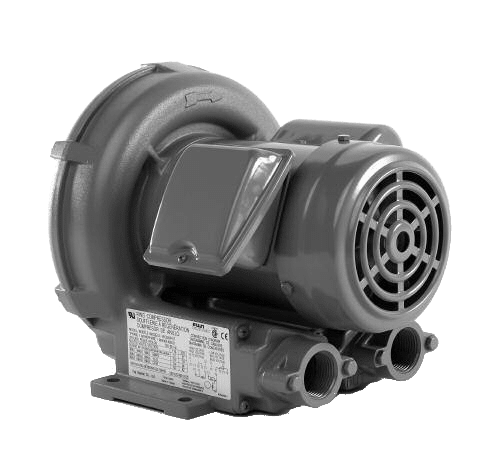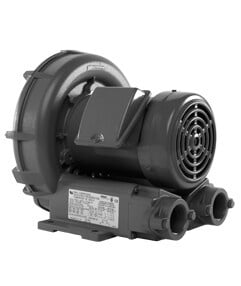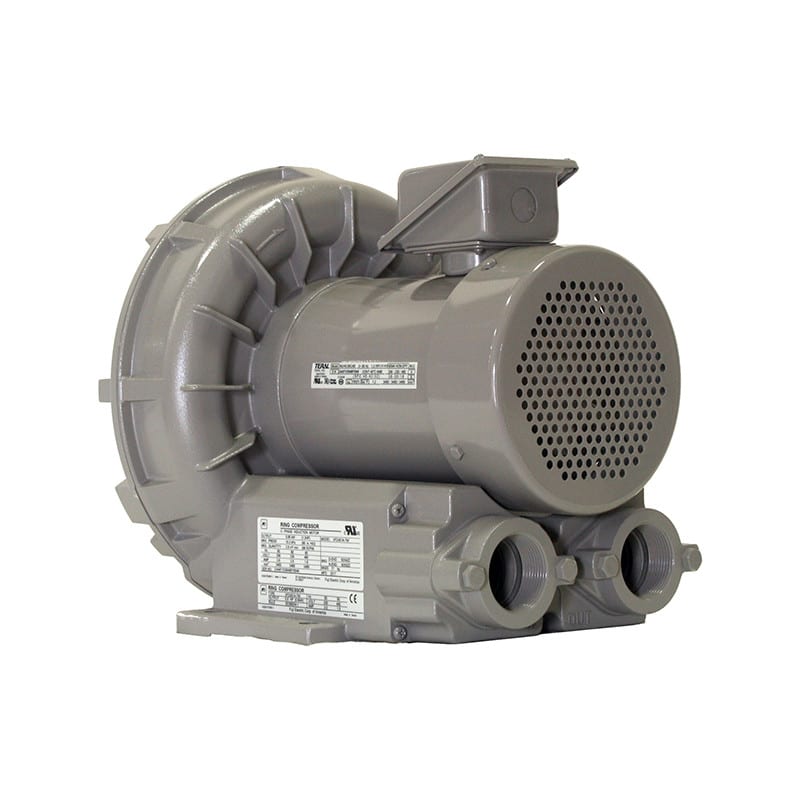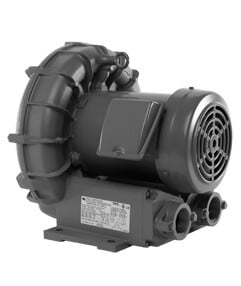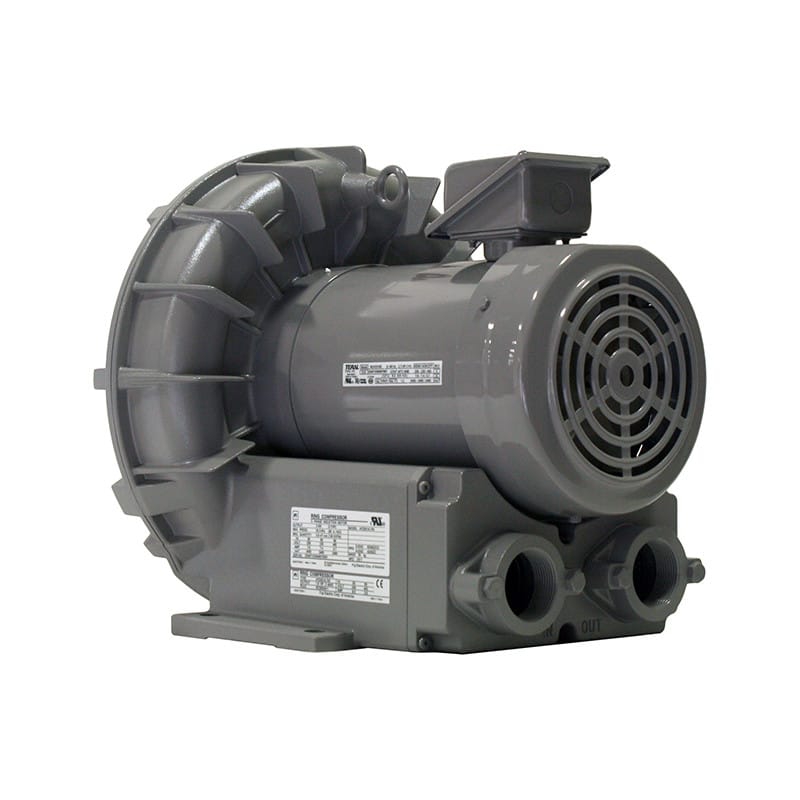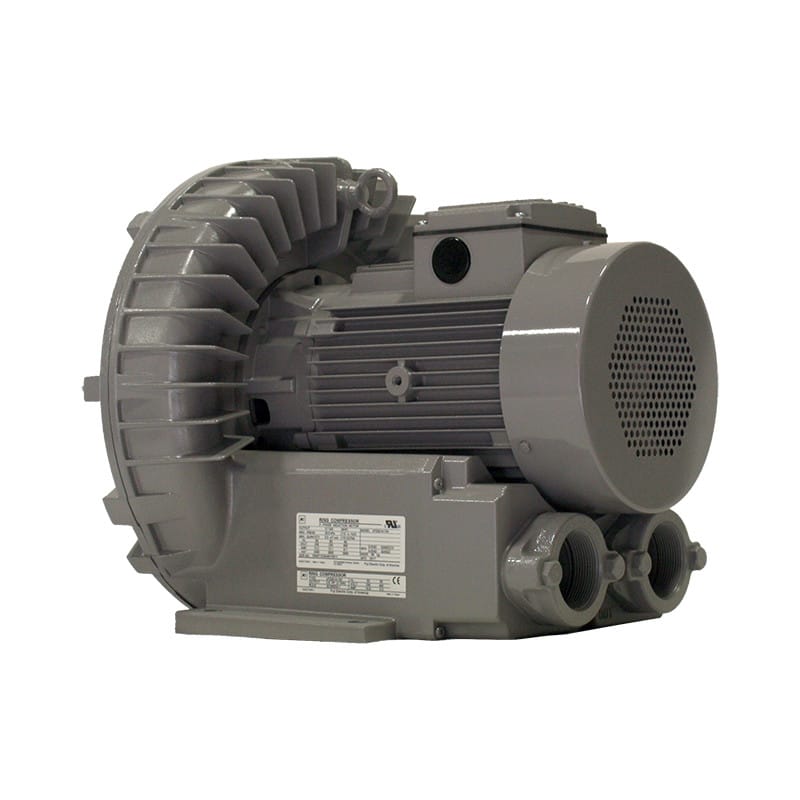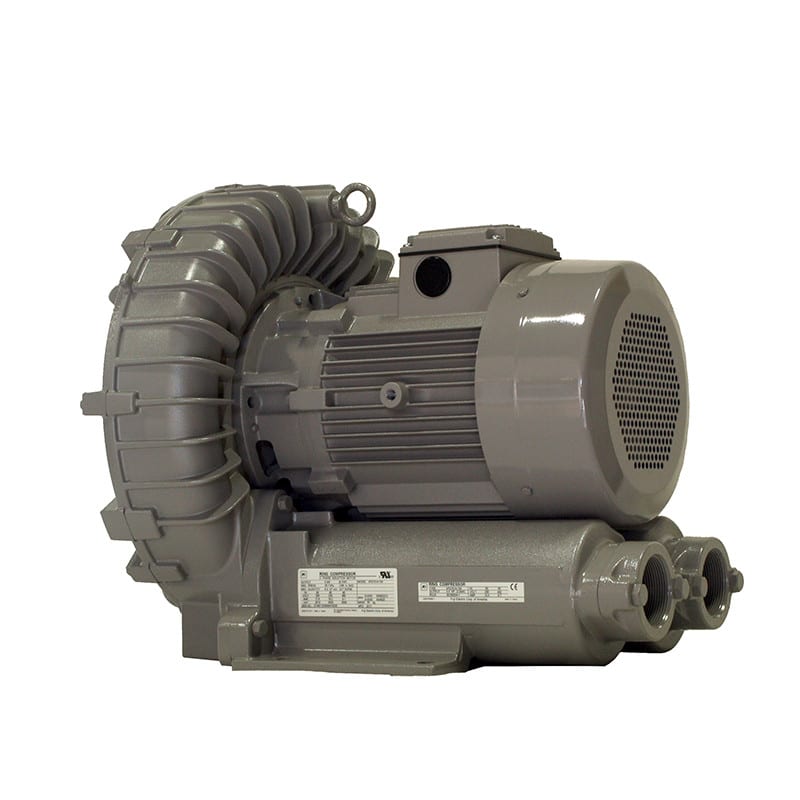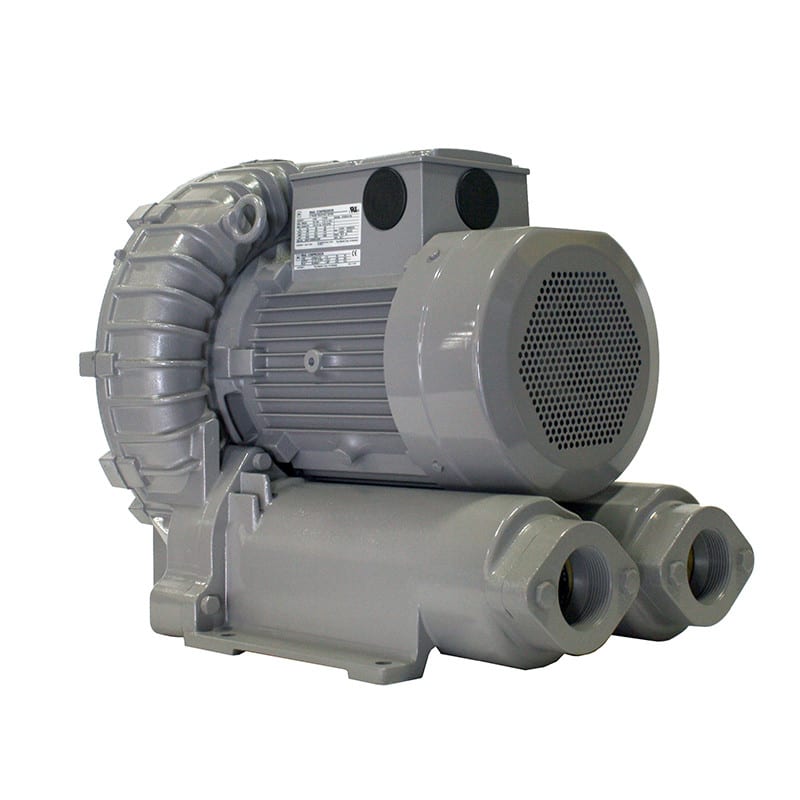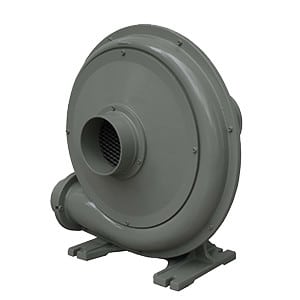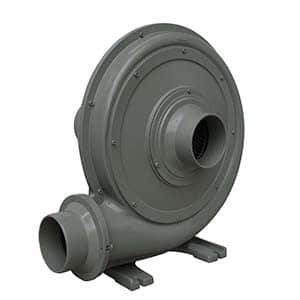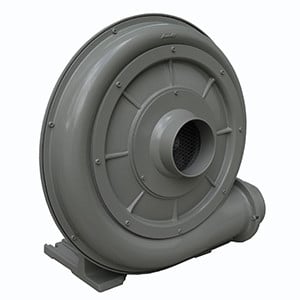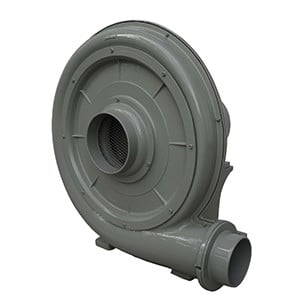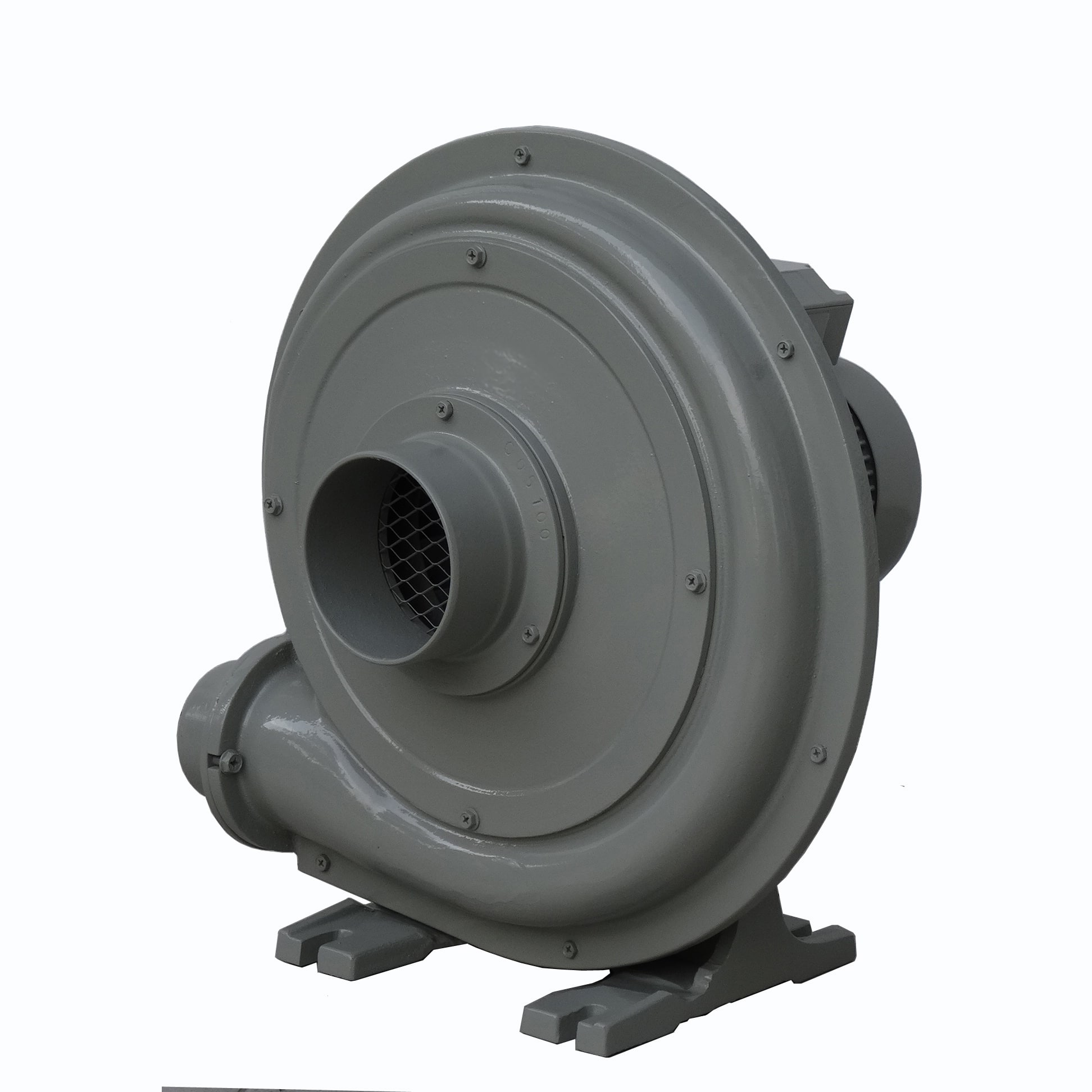

Proper operation of a regenerative blower ensures maximum efficiency, extended service life, and safe performance. Whether you’re new to RC blowers or managing long-term assets, here are key best practices to follow—and common pitfalls to avoid.
DO’s
Do size the blower correctly
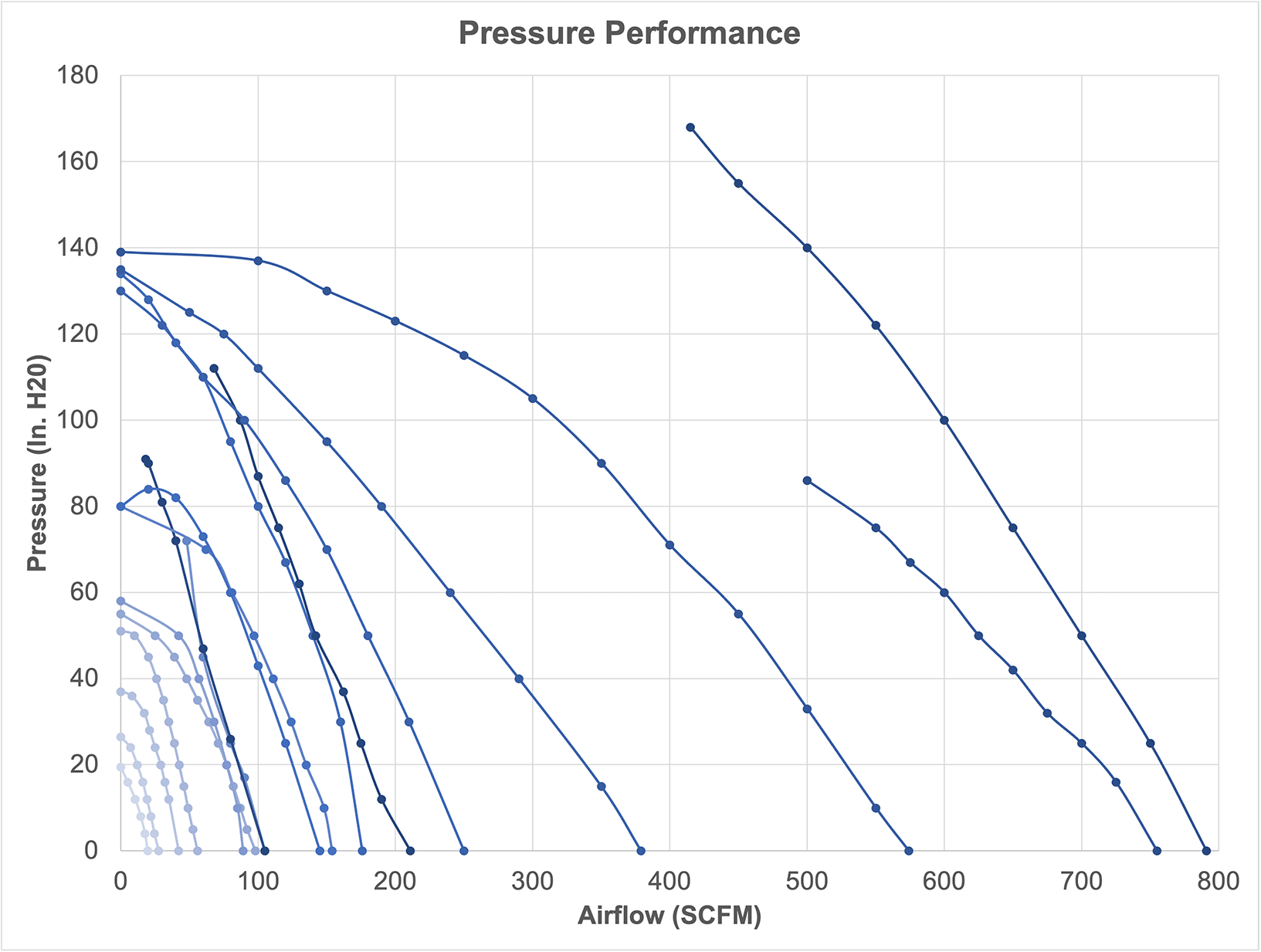
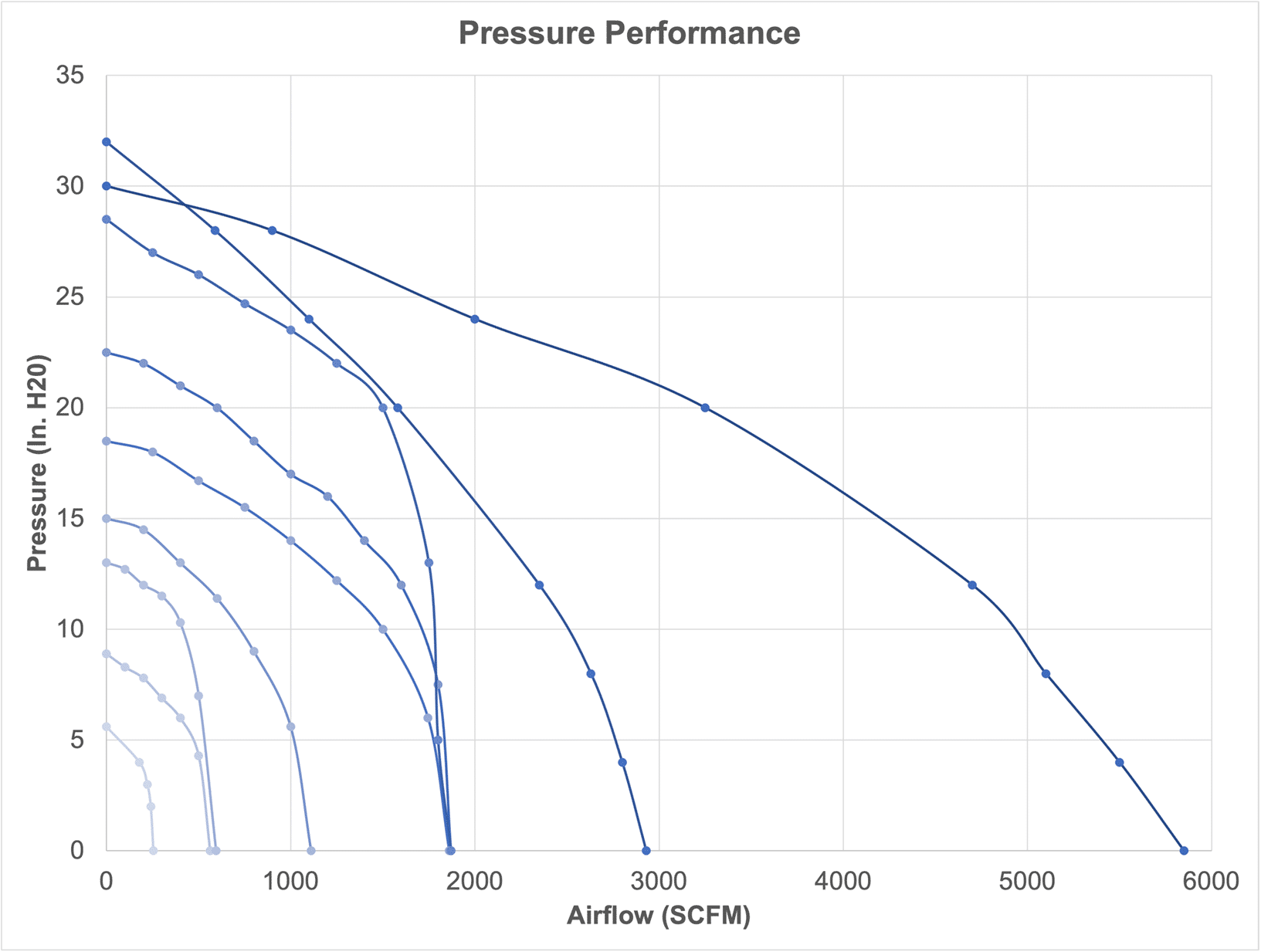
- Use manufacturer performance curves to match pressure and flow requirements.
- Avoid oversizing, which wastes energy and causes instability.
Do ensure proper airflow
- Always operate with open or controlled airflow—never deadhead (block) the outlet.
- Use relief valves or regulators to manage backpressure or vacuum safely.
Do install filters and silencers
- Use inlet filters to prevent debris from entering the blower.
- Install silencers to reduce noise and vibration, especially in sensitive environments.
Do allow for adequate ventilation
- Ensure there’s enough space for cooling airflow around the motor and housing.
- Monitor ambient temperature—most units are rated for up to 40°C (104°F).
Do check rotation direction
- After wiring, confirm the blower is rotating in the correct direction.
- Reversed rotation reduces performance and may damage the unit.
Do perform routine checks
- Inspect filters, bearings, and mounting hardware periodically.
- Follow manufacturer maintenance intervals for lubrication or bearing replacement.
DON’Ts
Don’t restrict the inlet or outlet
- Avoid using undersized piping or sharp bends close to the blower.
- Restrictions reduce efficiency and can cause overheating.
Don’t run the blower in a closed or pressurized environment
- Regenerative blowers are air-cooled and must operate in atmospheric conditions.
- Enclosing them without ventilation will cause motor and bearing failure.
Don’t expose to corrosive or wet air without protection
- Use coated or stainless steel models for corrosive environments.
- Install moisture traps or desiccant dryers for humid applications.
Don’t bypass safety devices
- Relief valves, check valves, and thermal overloads are critical.
- Disabling them puts equipment and personnel at risk.
Don’t ignore unusual noise or heat
- Excessive vibration or heat is often an early sign of bearing wear or airflow restriction.
- Address it early to prevent full failure.
Bonus Tips
- Use a VFD (variable frequency drive) for precise control and energy savings.
- Label direction of flow and rotation for easy troubleshooting.
- Keep a spare parts kit (filters, bearings, gaskets) on hand to reduce downtime.