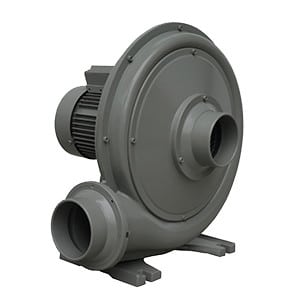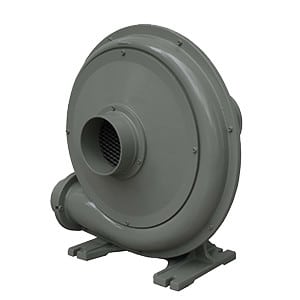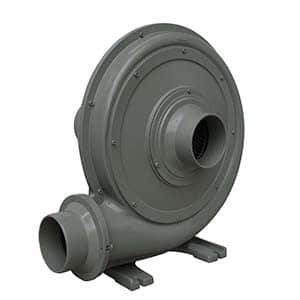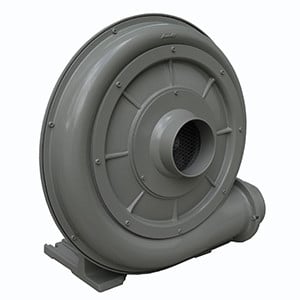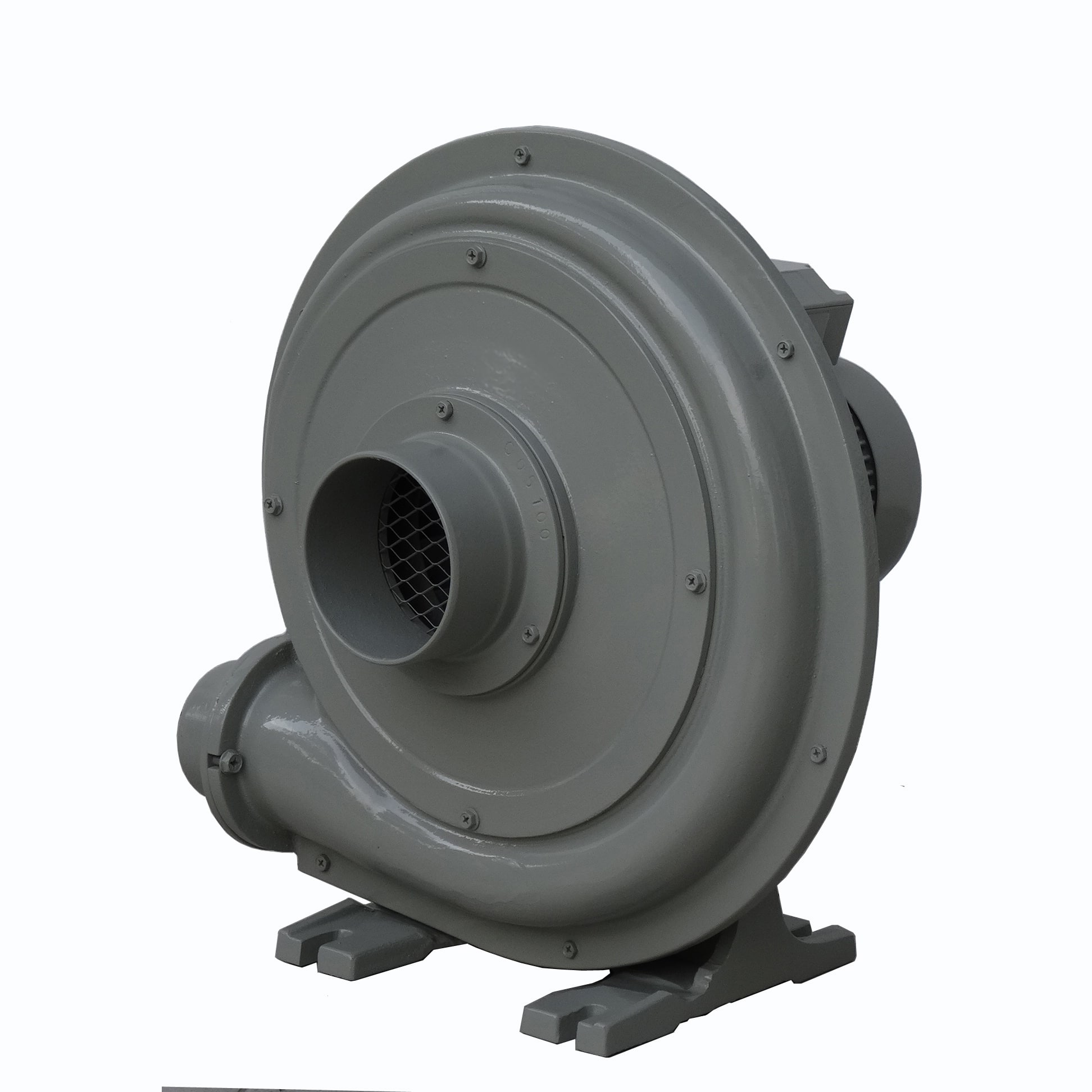

Regenerative blowers are deceptively simple machines. With no internal contact and a single rotating impeller, they generate both pressure and vacuum—but understanding how those forces interact with airflow is the key to sizing, efficiency, and reliability.
If pressure, vacuum, and airflow aren’t properly matched to the application, even a high-quality blower can underperform or fail prematurely. Let’s break down how these three variables work together.
The Basics: One Blower, Two Modes
A regenerative blower operates on the same aerodynamic principle whether it’s producing pressure or vacuum:
- Pressure mode → air is pushed into the system
- Vacuum mode → air is pulled from the system
The blower itself doesn’t change—only how the inlet and outlet are connected.
Airflow: The Foundation Variable
Airflow (usually measured in CFM or m³/h) is the starting point for understanding blower behavior.
Key truth
A regenerative blower does not create pressure first—it creates airflow first.
As airflow encounters resistance in the system, pressure or vacuum develops.
Pressure and Vacuum: Resistance to Airflow
Pressure and vacuum are simply two sides of the same coin:
- Pressure = resistance on the discharge side
- Vacuum = resistance on the inlet side
Both are caused by system restrictions such as:
- Pipe length and diameter
- Filters and silencers
- Diffusers, air knives, manifolds
- Process backpressure
The Blower Curve: Where Everything Connects
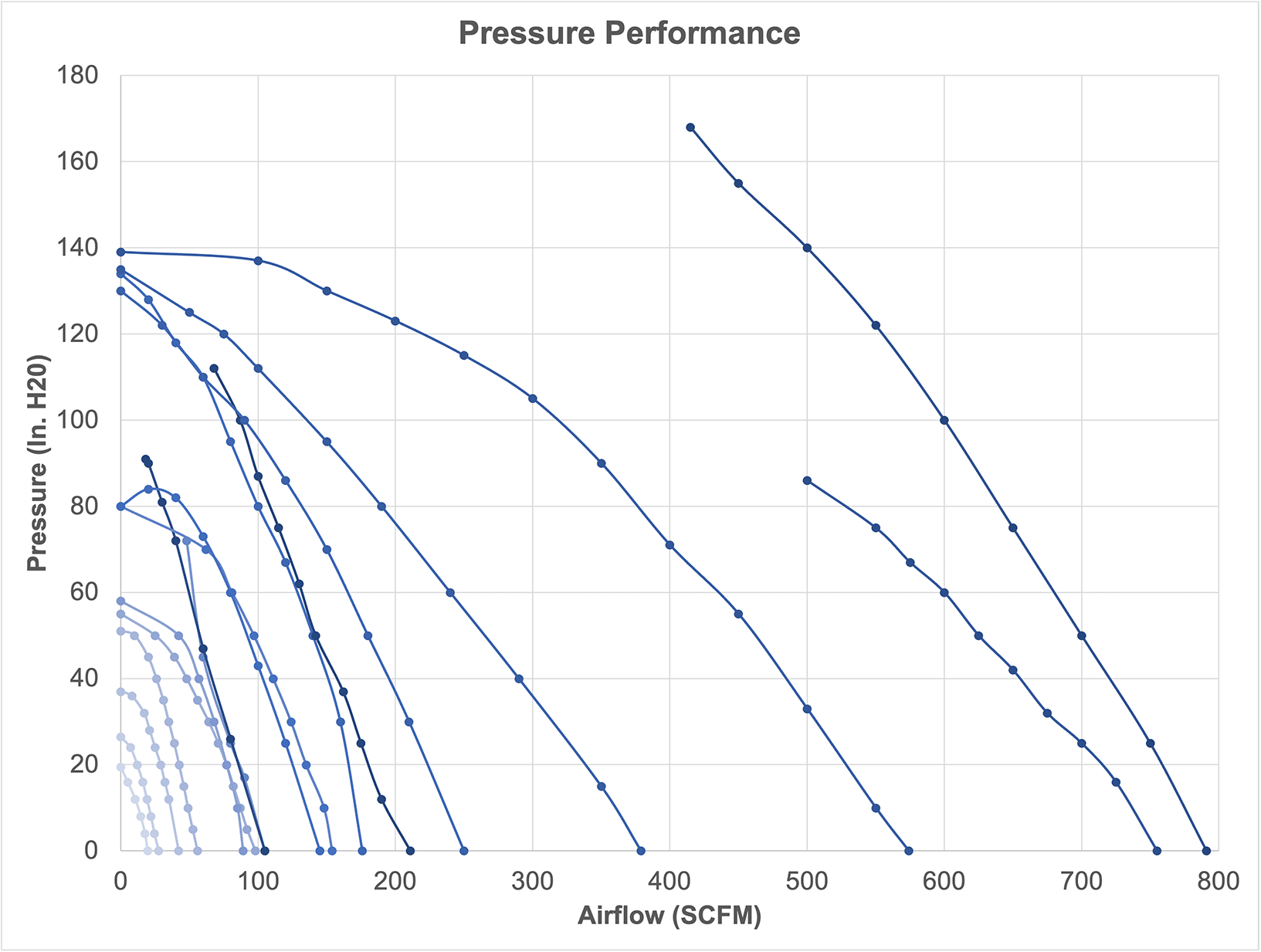
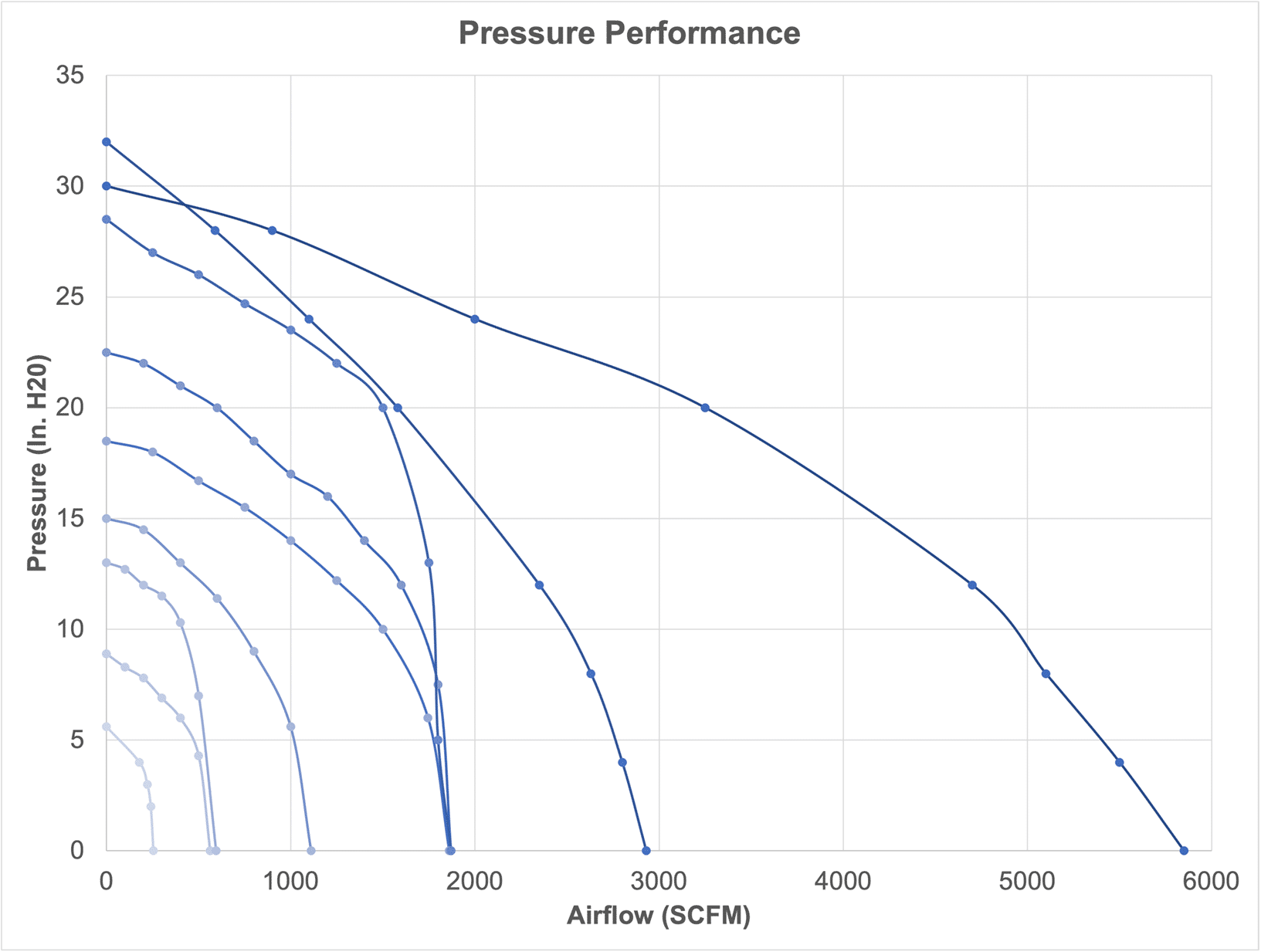
Every regenerative blower has a performance curve that shows the relationship between:
- Airflow (horizontal axis)
- Pressure or vacuum (vertical axis)
What the curve tells you
- Maximum airflow occurs at near-zero pressure
- Maximum pressure or vacuum occurs at near-zero airflow
- Normal operation happens somewhere in between
Your system determines where on that curve the blower operates.
Pressure vs. Airflow Trade-Off
As system resistance increases:
- Airflow decreases
- Pressure or vacuum increases
This trade-off is unavoidable and fundamental to regenerative blower operation.
Common misconception
“I need high airflow and high pressure.”
In reality, the system can only get one at the expense of the other unless the blower size or speed changes.
System Curve: The Missing Half of the Equation
Your piping and process create a system curve—a graphical representation of how much pressure or vacuum is required at different airflow rates.
- Long piping → steeper curve
- Dirty filters → curve shifts upward
- Valves closing → curve steepens instantly
The actual operating point is where the blower curve intersects the system curve.
Pressure Mode vs. Vacuum Mode: Subtle Differences
While the physics are the same, practical differences matter:
Pressure mode
- Heat builds up on the discharge side
- Overpressure can overload the motor
- Relief valves are often critical
Vacuum mode
- Inlet filters play a major role
- Clogging increases vacuum rapidly
- Risk of overheating at low airflow
Heat: The Silent Fourth Variable
As pressure or vacuum increases and airflow decreases:
- Less air moves through the blower for cooling
- Internal temperature rises
This is why deadheading (near-zero airflow) is dangerous—even if pressure limits aren’t exceeded.
Why Oversizing Isn’t a Fix
A larger blower:
- May push the operating point into inefficient regions
- Can increase noise and energy consumption
- Doesn’t eliminate system restrictions
Correct sizing means:
- Matching airflow requirements
- Accounting for worst-case pressure or vacuum
- Staying within the blower’s efficient operating range
Practical Design Tips
- Size blowers using both airflow and pressure/vacuum
- Account for dirty filters and future expansion
- Avoid operating near maximum pressure or vacuum continuously
- Use relief valves or bypasses when airflow can be restricted
- Verify cooling at low-flow conditions
The Bottom Line
In regenerative blower systems:
- Airflow creates pressure and vacuum
- System resistance determines how much of each you get
- The blower curve and system curve define real performance
Understanding how pressure, vacuum, and airflow interact helps you select the right blower, prevent overheating, and achieve stable, efficient operation across the full life of the system.