
1. Inline Flowmeters
Definition:
Inline flowmeters are installed directly into the pipeline, with the fluid flowing through the sensor body.
Pros
- High accuracy and repeatability
Ideal for custody transfer and critical process control.
- Broad range of measurement technologies
Supports electromagnetic, turbine, Coriolis, vortex, etc.
- Supports high-pressure/high-temperature applications
Built to withstand extreme conditions.
Cons
- Requires pipe cutting and system shutdown
Installation can be disruptive and costly.
- Higher installation costs
Includes labor, fittings, and downtime.
- More maintenance (depending on type)
Some inline meters have moving parts that may wear.
Use Cases
- Chemical dosing in process industries
- Custody transfer in oil & gas
- Water utility metering
- High-accuracy batching and blending systems
2. Clamp-On Flowmeters
Definition:
Clamp-on (ultrasonic) flowmeters measure flow from outside the pipe by transmitting and receiving ultrasonic signals through the pipe wall.
Pros
- Non-intrusive, no pipe cutting required
Fast, low-cost installation without downtime.
- Portable options available
Ideal for temporary measurement, audits, or spot-checking.
- No contact with fluid
Safe for hazardous, corrosive, or sterile media.
Cons
- Lower accuracy compared to inline
Especially under poor pipe or fluid conditions.
- Affected by pipe material, thickness, and alignment
Requires clean, filled pipes with good acoustic properties.
- Not suitable for all pipe sizes or materials
Performance may vary across plastic, lined, or heavily corroded pipes.
Use Cases
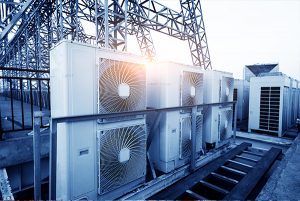
- Energy audits (HVAC, chiller loops)
- Temporary flow verification or spot-checking
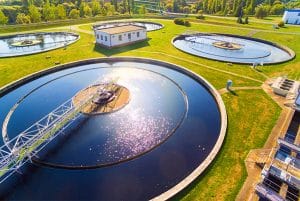
- Water/wastewater applications (reuse water, influent/effluent)
- Applications where shutdown is not feasible
Summary Table
|
Feature |
Inline Flowmeter |
Clamp-On Flowmeter |
|
Installation |
Invasive, requires pipe cutting |
Non-invasive, clamps onto pipe exterior |
|
Accuracy |
High |
Moderate (depends on application) |
|
Downtime Required |
Yes |
No |
|
Maintenance |
Moderate to high (based on type) |
Low |
|
Fluid Compatibility |
Depends on sensor type |
Conductive or non-conductive (ultrasonic) |
|
Portability |
Fixed |
Portable and fixed models available |
|
Typical Uses |
Permanent process control |
Temporary or retrofit monitoring |