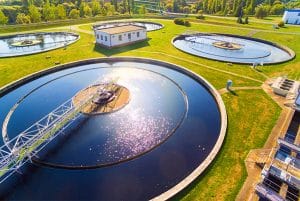
Water and wastewater facilities are under increasing pressure to do more with less—less energy, fewer resources, and tighter budgets—while maintaining reliability and regulatory compliance. One of the most impactful upgrades facilities can make is implementing modern Human-Machine Interfaces (HMIs).
Today’s HMIs go far beyond simple operator panels. They provide real-time visibility, intelligent control, and actionable insights that help utilities optimize performance across the entire system.
What Is an HMI?
A Human-Machine Interface (HMI) is the visual control layer that connects operators to equipment and processes. It allows users to:
- Monitor system performance in real time
- Control pumps, motors, valves, and drives
- View alarms and system alerts
- Analyze trends and historical data
In water and wastewater systems, HMIs are often integrated with SCADA systems, creating a centralized platform for managing complex operations.
From Reactive to Proactive Operations
Traditional systems rely heavily on manual checks and reactive maintenance. Modern HMIs shift operations to a proactive, data-driven approach by providing:
- Real-time system visibility
- Predictive insights through trends and analytics
- Early warning of potential failures
This transition helps operators make faster, smarter decisions—before small issues become costly problems.
Key Benefits of Modern HMIs
- Improved System Visibility
Operators can see the entire system—from intake to discharge—on a single interface. This includes:
- Pump status and performance
- Tank levels and flow rates
- Valve positions
- Energy usage
With better visibility, operators can quickly identify inefficiencies and optimize performance.
- Enhanced Operational Efficiency
Modern HMIs streamline workflows by:
- Automating routine processes
- Reducing manual intervention
- Enabling faster response times
For example:
- Automatically adjusting pump speeds based on demand
- Balancing system loads to reduce wear and energy use
- Energy Optimization
Energy is one of the largest operating costs in water and wastewater systems.
HMIs help reduce consumption by:
- Monitoring energy usage in real time
- Identifying high-consumption equipment
- Integrating with VFDs to optimize motor speed
Even small efficiency gains can translate into significant cost savings over time.
- Alarm Management and Faster Response
Modern HMIs provide intelligent alarm systems that:
- Prioritize critical alerts
- Reduce nuisance alarms
- Provide clear diagnostics
Operators can quickly:
- Identify the root cause
- Take corrective action
- Minimize downtime
- Data Logging and Compliance
Regulatory compliance requires accurate and consistent data.
HMIs simplify this by:
- Automatically logging system data
- Generating reports for audits
- Tracking performance metrics over time
This reduces administrative burden and ensures compliance with environmental regulations.
- Remote Access and Control
With secure remote access, operators can:
- Monitor systems from anywhere
- Respond to issues without being onsite
- Improve coverage with smaller teams
This is especially valuable for:
- Distributed water systems
- Municipal utilities with multiple sites
Real-World Applications
Pump Stations
- Monitor flow rates and pressure
- Adjust pump sequencing
- Prevent overflow or dry-run conditions
Treatment Plants
- Control chemical dosing
- Monitor filtration and aeration
- Track system performance in real time
Lift Stations
- Manage wastewater levels
- Trigger alarms for high/low conditions
- Optimize pump cycles to reduce energy use
Common Challenges (and How HMIs Solve Them)
|
Challenge |
HMI Solution |
|
Limited visibility |
Centralized dashboards |
|
High energy costs |
Real-time monitoring + VFD integration |
|
Equipment failures |
Predictive alerts and trends |
|
Labor shortages |
Automation + remote access |
|
Compliance burden |
Automated data logging and reporting |
Best Practices for Implementation
To get the most out of a modern HMI:
- Standardize screen design
Keep layouts intuitive and consistent across systems
- Prioritize critical data
Avoid clutter—highlight what matters most
- Integrate with existing systems
Ensure compatibility with SCADA, PLCs, and VFDs
- Focus on cybersecurity
Protect remote access and system data
- Train operators effectively
Even the best system is only as good as its users
Bringing It All Together
Modern HMIs transform water and wastewater operations by turning data into actionable insights. They empower operators to:
- Improve efficiency
- Reduce energy consumption
- Enhance reliability
- Maintain compliance
Final Thought
As infrastructure ages and demands increase, smarter systems are no longer optional—they’re essential.
Modern HMIs provide the visibility and control needed to optimize water and wastewater systems today—and prepare for the challenges of tomorrow.