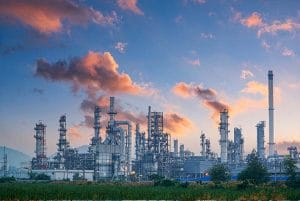

In demanding settings—such as chemical plants, offshore platforms, mining operations, or outdoor installations—standard circuit breakers may fail prematurely due to extreme temperatures, moisture, dust, corrosive agents, or explosive atmospheres. Choosing the right breaker involves understanding both environmental factors and application-specific standards.
Key Environmental Challenges
- Corrosion (salt, chemicals, humidity)
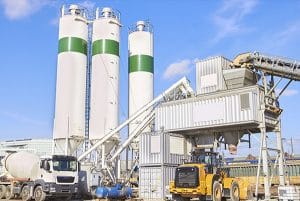
- Dust and debris (mining, cement, wood processing)
- Moisture and water ingress (outdoor, marine, wash-down areas)
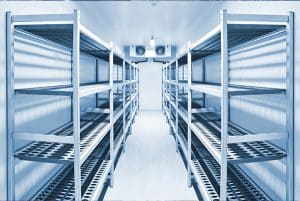
- Extreme temperatures (freezers, furnaces, deserts)
- Explosive atmospheres (oil & gas, grain silos, chemical processing)
Key Considerations for Breaker Selection
- Enclosure Rating (Ingress Protection)
- Look for NEMA or IP-rated enclosures:
- NEMA 4/4X or IP66 for water-tight, corrosion-resistant enclosures
- NEMA 7/9 for hazardous locations (Class I & II, Div 1 & 2)
- Ensure the entire panel, not just the breaker, is rated for the environment.
- Temperature Rating
- Select breakers rated for wide temperature ranges (e.g., –40°C to +85°C).
- Some applications may require derating at higher temperatures.
- Material and Coating
- Choose breakers with:
- Stainless steel components
- Epoxy-coated or anti-corrosion treated metal parts
- Plastic-bodied breakers with UV- and chemical-resistant compounds are often better in corrosive settings.
- Explosion-Proof Certification
- For classified hazardous areas, use breakers tested to:
- ATEX / IECEx (international)
- UL/CSA Class I, Div 1/2 (North America)
- These breakers are enclosed in flameproof housings to prevent ignition of ambient gases or dust.
- Vibration and Shock Resistance
- In mobile, industrial, or military applications, use ruggedized breakers tested for high vibration/shock.
- Sealed or Encapsulated Designs
- Some molded-case breakers are sealed or potted to prevent moisture ingress and internal corrosion.
Examples of Suitable Breaker Types
|
Environment |
Recommended Breaker Type |
|
Wet or washdown areas |
Breaker in NEMA 4X / IP66 enclosure |
|
Offshore platforms |
Stainless-steel MCCB or encapsulated design |
|
Chemical plants |
Epoxy-coated breakers with high CTI insulators |
|
Grain silos/mines |
Explosion-proof breakers (UL Class II Div 1) |
|
Freezers/cold storage |
Low-temp rated breakers (–40°C or lower) |
|
Solar PV outdoors |
DC-rated breaker with UV-stabilized housing |
Common Mistakes to Avoid
- Using standard indoor-rated breakers in outdoor or corrosive areas
- Ignoring certification requirements for hazardous locations
- Failing to account for temperature derating at high ambient temps
- Assuming enclosure rating alone guarantees breaker survival (breaker must also be rated appropriately)
Summary
To select the right breaker for harsh or hazardous environments:
- Match the breaker and enclosure ratings to the environment.
- Choose rugged materials and coatings for corrosion and UV resistance.
- Use certified explosion-proof designs where flammable gases or dust may be present.
- Verify thermal, mechanical, and ingress specs for your specific application.